


For nearly two years, discussions across the global timber industry have centred on one problem: demand. Housing starts weakened across North America, construction activity slowed in much of Europe, China's property crisis continued to weigh on consumption, and furniture manufacturers reduced production as consumers postponed discretionary spending. The result was familiar—lower prices, thinner margins and growing competition for every cubic metre sold.
That narrative is beginning to evolve.
Demand remains subdued by historical standards, but it is no longer the only force shaping timber markets. Energy has once again become a decisive pricing factor, influencing everything from harvesting costs and sawmill profitability to freight rates and the production of engineered wood products.
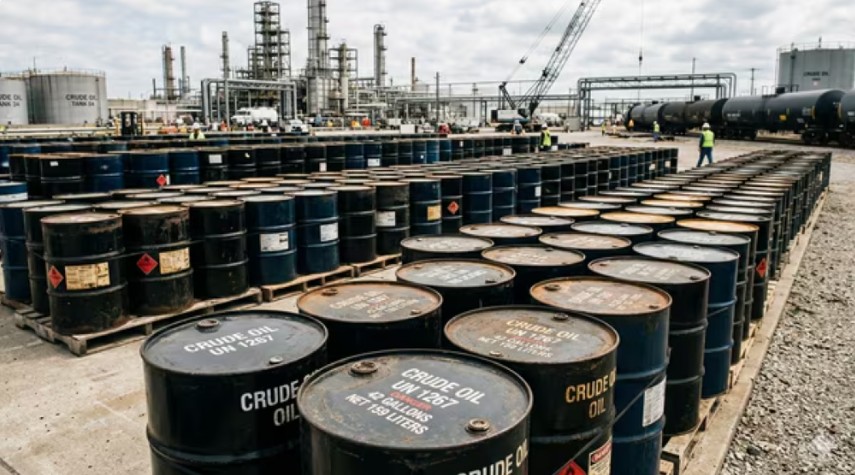
Recent geopolitical tensions in the Middle East briefly pushed Brent crude oil above US$80 per barrel before prices eased again. Although the spike proved temporary, it exposed how vulnerable the global timber industry remains to disruptions in energy markets. For an industry that depends on diesel-powered harvesting equipment, energy-intensive drying processes and international shipping, even relatively short-lived increases in fuel prices can alter production economics within weeks.
Unlike previous commodity cycles, however, producers are facing higher costs without the support of strong demand. The result is a market increasingly defined by cost inflation rather than consumption growth.
 Thousands of quality articles