


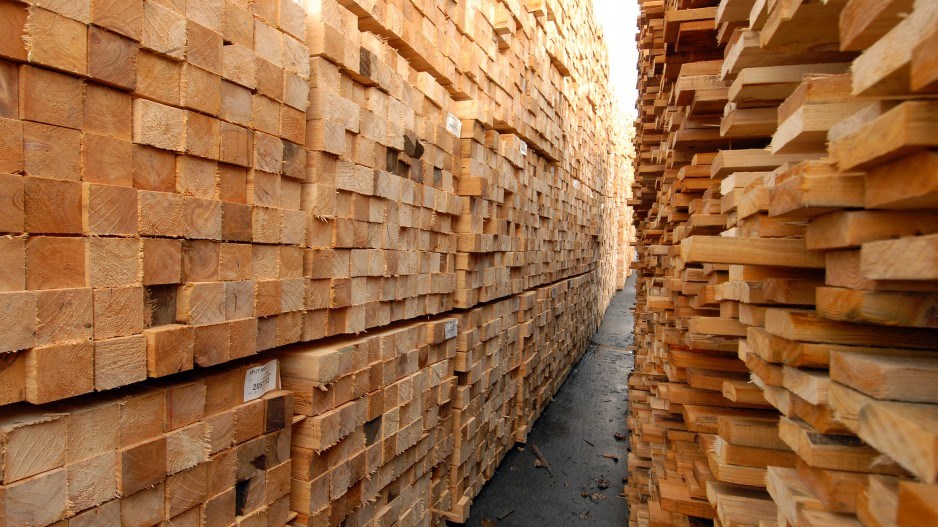
Signs of improvement have begun to appear in Finland’s wider economy, but little of that optimism has reached the country’s sawmills, where the second half of 2026 is starting with lower production, weaker export revenues and raw-material costs that remain difficult to reconcile with the prices mills are obtaining for softwood lumber.
Recent company decisions make that divergence increasingly visible. Stora Enso's Veitsiluoto sawmill is currently idle and the group is considering closing the century-old operation permanently rather than making the substantial investment needed to continue production there. Veljekset Vaara has announced 11 redundancies following restructuring negotiations and is preparing for possible temporary layoffs, while other producers continue to adjust output after several years in which the expected recovery in construction demand has repeatedly failed to arrive with enough strength to repair sawmill margins.
The problem is not simply that lumber demand is weak. Finnish producers are operating in a market where lower sales have not been accompanied by comparable relief in the cost of timber, leaving mills with fewer opportunities to compensate through volume while limiting their ability to raise selling prices. Export prices have not collapsed, but the combination of expensive sawlogs, weak construction, high freight costs and lower mill utilisation is making the economics increasingly difficult for producers whose businesses depend heavily on international markets.
The latest first-half figures show how firmly this imbalance has become established.
 Thousands of quality articles